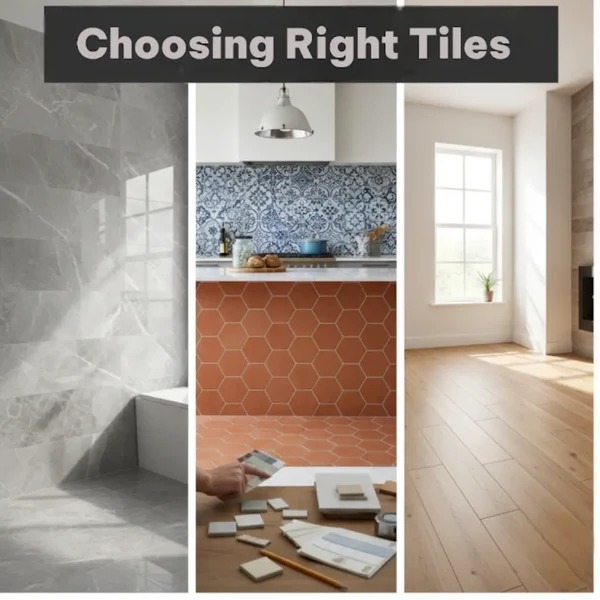
How to Choose the Right Floor Tiles for Your Home
Choosing a new floor is one of those decisions that can have a bigger impact on your home than you might expect. The floor covers a large area, so its colour, material and finish can completely change how a room looks and feels.
But while appearance is important, it isn't the only thing to think about. A floor in a busy kitchen has very different demands from one in a quiet bedroom. You also need to consider cleaning, durability, the size of the room, natural light and how the tiles will work with the rest of your interior.
If you're starting to compare different options, take a look at our range of floor tiles, where you'll find different materials, sizes, colours and finishes to suit a variety of rooms and styles.
The key is to find a tile that doesn't just look good in a photograph or showroom, but continues to work well once you start living with it.
Think About How the Room Will Be Used
Before choosing a colour or pattern, think about what your floor will have to cope with.
A hallway, for example, is likely to see plenty of foot traffic, outdoor shoes and the occasional bit of dirt brought in from outside. A kitchen has to deal with food spills, dropped items and chairs being moved around. A living room may be less demanding, but it still needs to cope with everyday use, children, pets and regular cleaning.
This is where porcelain floor tiles can be particularly practical. Porcelain is dense and has low water absorption, making it a popular option for areas where you want a hard-wearing surface that is relatively straightforward to maintain.
That doesn't mean porcelain is the only option. Natural stone can bring genuine variation and character to a room, while other flooring materials may suit spaces where a softer surface is preferred.
Think about the room first, then choose the tile.
Porcelain Floor Tiles for Everyday Living
Porcelain has become a popular flooring choice because it can combine a practical surface with a wide range of designs.
One of its biggest advantages is versatility. You can find porcelain tiles designed to resemble natural stone, marble, concrete and timber, so choosing a durable floor doesn't mean you have to compromise on the appearance you want.
Stone-effect porcelain
Stone-effect tiles are a good choice if you like the natural appearance of limestone, travertine or slate but would prefer the consistency of porcelain.
They can bring warmth and texture to a kitchen or living area without making the floor feel overly decorative. Neutral stone shades are also relatively easy to work with if you like changing furniture or accessories over time.
For an open-plan space, a stone-effect floor can help connect the kitchen, dining and living areas without making the whole room feel too modern.
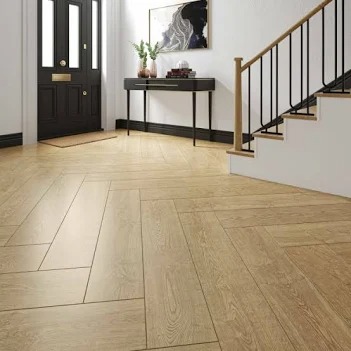
Wood-effect porcelain
Wood-effect tiles are another option if you like the warmth of timber but want the practical characteristics of porcelain.
The plank format helps recreate the appearance of wooden boards, while the tile surface is suitable for areas where spills and regular cleaning are part of everyday life.
This can work particularly well in kitchens and open-plan living spaces where you want a warmer, more natural appearance without using traditional timber flooring.
Marble-effect porcelain
Marble can give a room a much more luxurious appearance, but natural marble also needs more consideration when it comes to care and maintenance.
Marble-effect porcelain offers an alternative. The veining can create the same type of dramatic visual effect while giving you the practical qualities associated with porcelain.
Large-format marble-effect tiles can be particularly effective in bathrooms and larger rooms because there are fewer grout lines breaking up the overall appearance.
Natural Stone Brings Something Different
There is still a place for genuine natural stone in the home.
Unlike manufactured tiles, natural stone has natural variations in colour, markings and texture. Even two pieces from the same batch won't necessarily look exactly the same, and that variation is part of what makes it appealing.
Limestone, for example, can create a softer and more traditional feel in kitchens, hallways and living spaces.
The important thing to remember is that natural stone generally needs more care than porcelain. Depending on the stone, sealing may be required, and you should use suitable cleaning products to protect the surface.
For some homeowners, that extra maintenance is a worthwhile trade-off for having a genuinely natural floor with its own character.
Choosing the Right Floor Tile Colour
Colour can completely change the atmosphere of a room, particularly because flooring covers such a large surface.
Light colours such as cream, ivory and beige can help a smaller room feel more open and brighter. Grey can give a more contemporary appearance, while warmer earthy shades can make a space feel more relaxed and natural.
If you're trying to decide between different shades, it's worth looking beyond the tile itself and thinking about the other colours already in the room. Your walls, kitchen units, furniture and amount of natural light can all affect how the finished floor looks.
You can also read our guide to floor tile colours in order to get a better idea of which shades might work with your interior.
Light Tiles
Light-coloured flooring can be particularly useful in smaller rooms or spaces that don't receive much natural light.
Cream, beige and pale stone shades can make the room feel more spacious without making it look stark.
They also provide a fairly neutral background, which gives you more freedom with furniture and wall colours.
Grey Tiles
Grey remains popular because it can work with a wide range of interiors.
A pale grey tile can keep a room feeling light and contemporary, while darker grey can create more contrast and give furniture a stronger visual presence.
Concrete-effect grey tiles are particularly suited to modern kitchens and open-plan spaces.
Dark Tiles
Dark charcoal and black tiles can make a strong statement, particularly in larger rooms with plenty of natural light.
However, it is worth considering how the surface will look day to day. Dust and lighter marks can sometimes be more noticeable on very dark, plain tiles.
A slightly textured or stone-effect surface can help break up the appearance and make the floor feel less uniform.
Tile Size Can Change the Whole Room
The size of your tiles is another decision that shouldn't be overlooked.
A smaller tile creates more grout lines and a busier visual pattern, while larger tiles can give the impression of a more continuous floor.
Large-format tiles can work particularly well in open-plan kitchens and living areas. With fewer grout lines, the floor can appear cleaner and more spacious.
There is a practical consideration, though. Large tiles need a properly prepared, reasonably level surface, and installation needs to be carried out carefully. A larger tile has less tolerance for an uneven floor.
Smaller tiles can be more forgiving visually and give you more opportunities to create patterns or decorative layouts.
Don't Forget About the Finish
The finish of a tile can change both its appearance and the way it feels in the room.
Polished tiles reflect more light and can create a more luxurious appearance. Matt finishes are generally quieter and can work particularly well with stone and concrete effects.
Honed finishes offer a smoother appearance without the same level of shine as polished tiles, while textured finishes can add more depth to a natural-looking floor.
Think about how the finish will fit into your everyday routine as well as how it looks.
For a busy family kitchen, for example, you may prefer a matt or subtly textured tile that doesn't draw attention to every small mark. In a more formal living space, a polished finish may be exactly what you're looking for.
What About Underfloor Heating?
If you're considering underfloor heating, it's worth thinking about this before choosing your flooring.
Porcelain and ceramic tiles are commonly used with underfloor heating because they conduct heat effectively and can help distribute warmth across the floor.
However, always check that the particular tile, adhesive and heating system are suitable for the installation you are planning.
This is another example of why choosing a tile isn't just about appearance. The technical characteristics matter too, particularly when you're planning a major renovation.
Consider Maintenance Before You Buy
A tile might look perfect when you see it in a showroom, but try to imagine what it will be like after months of everyday use.
Will it be easy to clean?
Will the finish show marks?
Does the material need sealing?
Will the grout require regular attention?
These are simple questions, but they can make a big difference to how happy you are with the finished floor.
Porcelain is often chosen for its straightforward maintenance, while natural stone can require more ongoing care. Neither is necessarily better. It comes down to how much maintenance you're comfortable with and what you want from the room.
Always Look at a Sample
One of the easiest mistakes to make is choosing a floor tile from a photograph on a screen.
Lighting can change the way a colour looks, and a tile can appear completely different when you see several square metres of it rather than a small image.
If possible, get a sample and place it in the room where it will be used.
Look at it during the day and again in the evening. Natural daylight and artificial lighting can bring out very different tones.
It's also worth placing the sample alongside your existing furniture, kitchen units or wall colours. A tile that looks great on its own may not necessarily be the right choice once everything is put together.
The Right Floor Tile Is About More Than Looks
There isn't one floor tile that will be right for every home.
A busy hallway might benefit from a durable porcelain tile. A traditional kitchen could suit the natural variation of limestone, while a contemporary open-plan space might work beautifully with large-format concrete or stone-effect porcelain.
The best choice is the one that balances appearance, durability, maintenance and the way you actually use the room.
Take your time, look at samples and consider the practical side of the decision as carefully as the colour and design. When those things all work together, your floor won't just look good when it's newly installed, it will continue to make sense as part of your home.
If you're ready to compare different materials, formats and styles, explore Royale Stones for floor tiles designed to suit a range of interiors and everyday requirements.
FAQs
What type of tile is best for floors?
Porcelain is a popular choice for floors because it is hard-wearing, has low water absorption and is available in a wide range of colours, patterns and finishes. Natural stone is another option if you prefer genuine variation and a more traditional appearance.
Are porcelain tiles suitable for busy areas?
Yes. Porcelain is a practical option for areas such as hallways, kitchens and open-plan living spaces because it is durable and relatively easy to maintain. The specific tile and finish should still be chosen according to how the room is used.
What colour floor tiles make a room look bigger?
Light shades such as cream, ivory, beige and pale grey can help a room feel brighter and more spacious. Using larger tiles with fewer grout lines can also create a more continuous appearance.
Are large floor tiles better for small rooms?
Not necessarily, but large-format tiles can work well in smaller rooms because fewer grout lines can make the floor feel less visually busy. The condition and level of the subfloor should also be considered before choosing a large format.
Are floor tiles suitable for underfloor heating?
Many porcelain and ceramic tiles can be used with underfloor heating because they conduct heat effectively. However, always check the manufacturer's installation guidance and make sure the tile, adhesive and heating system are compatible.
Do natural stone floor tiles need sealing?
Many types of natural stone benefit from sealing, although the exact requirements depend on the stone and its finish. Sealing can help protect the surface from staining and make everyday maintenance easier.
Should I choose matt or polished floor tiles?
It depends on the look and practical requirements of the room. Polished tiles can create a brighter, more luxurious appearance, while matt finishes tend to give a softer, more understated look and can be a practical choice for everyday living areas.
Should I order a floor tile sample before buying?
Yes. A sample lets you see the actual colour, texture and finish in your own lighting. It's particularly useful for larger tiles, as the appearance of a small sample can differ from how the same tile looks across an entire floor.
0 Comments Add a Comment?